
Chengdu isn’t just a city—it’s a feast for the senses, a UNESCO-recognized City of Gastronomy where every alleyway hums with the sizzle of chili oil, the fragrance of Sichuan peppercorns, and the joyful chaos of locals gathered around steaming pots. For food lovers, a visit to this vibrant capital of Sichuan Province is nothing short of a pilgrimage.
And if you’re staying at JIAN SHAN TANG Hotel—nestled at No. 20 Sandongqiao Road, Jinniu District, Chengdu, Sichuan, 610031, China—you’re not just in the heart of the city; you’re in the epicenter of flavor, perfectly positioned to embark on an unforgettable culinary trail through one of the world’s most celebrated food cultures.
From fiery hotpot to delicate street snacks and hands-on cooking workshops, this detailed, SEO-friendly guide will take you deep into the authentic tastes of Sichuan, offering insider tips, must-try dishes, and seamless ways to explore—starting right from your serene boutique retreat.
Why Chengdu is a UNESCO City of Gastronomy
In 2010, Chengdu became the first city in Asia to be designated a UNESCO Creative City of Gastronomy, a title earned through its 2,000-year-old culinary heritage, bold innovations, and deep-rooted food culture that permeates daily life. Here, eating isn’t rushed—it’s a social ritual, a form of art, and a language of love.
Sichuan cuisine—Chuan Cai—is famed for its “málà” (numbing and spicy) profile, but it’s far more nuanced than heat alone. It embraces seven fundamental flavors: spicy, sweet, sour, bitter, salty, aromatic, and numbing—often in a single dish. The magic lies in the balance, the technique, and the secret family recipes passed down through generations.
At JIAN SHAN TANG Hotel, we believe that to truly know Chengdu, you must taste it. And so, we invite you to dive deep into the culinary soul of Sichuan.
Must-Try Sichuan Dishes: The Flavors You Can’t Miss
Before you hit the streets, arm your palate with knowledge. These are the iconic dishes that define the region—and yes, they’re as delicious as they are legendary.
1. Sichuan Hotpot (Chuānzhǔ)
The ultimate communal dining experience. A simmering pot of spicy red broth, infused with dozens of dried chilies and Sichuan peppercorns, sits at the center of the table. Diners cook raw ingredients—thinly sliced beef, fish balls, lotus root, tofu, and mushrooms—dipping them into personalized bowls of sesame sauce, garlic oil, or fermented black beans.
- Pro Tip: Ask for a “yuan yang” pot—half spicy red, half mild clear broth—perfect for balancing the heat.
- Best Spots Near JIAN SHAN TANG: Haidilao (upscale chain with impeccable service) or Shu Daxia (local favorite, 15-minute taxi ride).
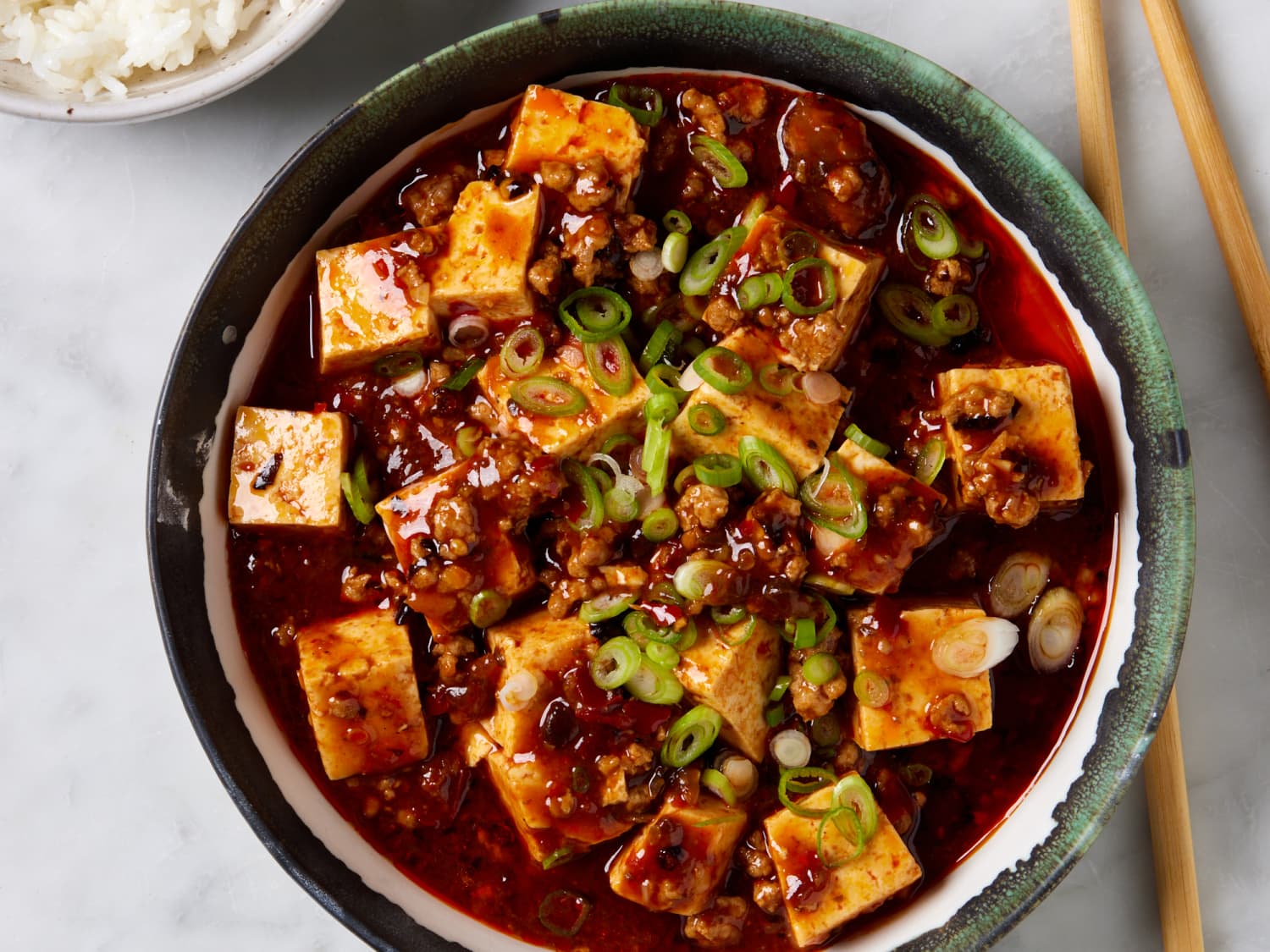
2. Mapo Tofu (Mápó Dòufu)
A UNESCO dish in its own right. Silken tofu cubes swim in a glossy, crimson sauce made from fermented broad bean paste (doubanjiang), ground pork, and a storm of chili and peppercorns. The finish? A tingling numbness that dances on your tongue—a sensation unique to Sichuan.
✅ Insider Note: Authentic mapo tofu should be “one drop of oil on the surface”—rich, saucy, but not greasy.
3. Dan Dan Noodles (Dàndan Miàn)
Originally sold by street vendors balancing noodle baskets on shoulder poles (dandan), this dish is now a global favorite. Chewy wheat noodles are topped with a spicy, savory mix of minced pork, pickled vegetables, crushed peanuts, and a slick of chili oil. The heat builds slowly, making it dangerously addictive.
- Where to Try: Chén Málà Dàndan Miàn near Chunxi Road, or enjoy a refined version at JIAN SHAN TANG’s on-site restaurant.
4. Twice-Cooked Pork (Huíguō Ròu)
A masterpiece of texture and flavor. Pork belly is first boiled, then sliced and stir-fried with leeks, garlic, and doubanjiang. The result? Crispy edges, tender meat, and a deep umami kick.
Explore the Snack Streets: A Bitesized Adventure
No culinary journey is complete without a walk down Chengdu’s legendary snack streets, where the air is thick with smoke, spice, and anticipation.
1. Jinli Old Street – A Feast for the Eyes and Stomach
Just 3 km from JIAN SHAN TANG, Jinli Ancient Street isn’t just a tourist attraction—it’s a living food bazaar lit by red lanterns and the sizzle of woks.
Must-Try Snacks on Jinli:
- Liangfen (Wide Bean Jelly): Cold, translucent jelly tossed with chili oil, garlic, and vinegar—refreshing despite the heat.
- Tangyuan (Sweet Rice Balls): Served warm in ginger syrup, filled with black sesame or red bean paste.
- Zongzi (Glutinous Rice Dumplings): Steamed in bamboo leaves, available sweet (red bean) or savory (pork and mushroom).
- Spicy Rabbit Head: A bold local delicacy—crack open the skull and suck the brain and cartilage. Not for the faint-hearted!
- Stinky Tofu: Fermented, deep-fried, and drenched in sauce—pungent, crispy, and utterly delicious.
🌙 Best Time to Visit: Evening (6:00–9:00 PM) when the lanterns glow and the food stalls are in full swing.
2. Kuanzhai Alley (Wide & Narrow Alleys) – Heritage with a Side of Heat
Only 2.5 km from the hotel, this beautifully restored Qing Dynasty neighborhood blends culture and cuisine. Wander the blue-brick courtyards and stop at hidden teahouses and street vendors.
- Try: Chuan Chuan Xiang (spicy skewers dipped in communal broth) or Bing Fen (a citrusy, jelly-like dessert that cools the palate after spice).
3. Huogongdian – The Local’s Hotpot Alley
For a more authentic, less touristy experience, head to Huogongdian Snack Street, where locals queue for decades-old stalls.
- Don’t Miss: Long Chao Shou (wontons in chili oil) and Jianbing (Sichuan-style savory crepes).
Go Beyond Tasting: Join a Sichuan Home-Cooking Workshop
To truly understand the cuisine, learn it from the masters. And what better way than a hands-on Sichuan cooking class, where you’ll unlock the secrets behind the region’s most iconic flavors?
What You’ll Learn:
- How to make homemade chili bean paste (doubanjiang)—the soul of Sichuan cooking.
- The art of balancing Sichuan peppercorn oil for that signature má (numbing) sensation.
- Knife skills for slicing, dicing, and julienning like a local chef.
- How to layer flavors in a single dish—sweet, sour, spicy, numbing—all in harmony.
Workshop Options:
- Private Classes in Local Homes: Led by grandmothers who’ve cooked for 50+ years.
- Hotel-Hosted Experiences: Ask JIAN SHAN TANG’s concierge about on-site culinary workshops—intimate, English-friendly, and held in a serene courtyard setting.
- Group Tours: Book through platforms like Trip.com or Klook for half-day programs that include market visits and lunch.
🍳 Takeaway: Many classes let you bring home a recipe booklet and even a small jar of house-made chili oil—your edible souvenir.
Dine Like a Local: From Street Stalls to Hidden Courtyards
While street food is thrilling, Chengdu also excels in elegant, traditional dining. Here are a few curated experiences within easy reach of JIAN SHAN TANG:
1. Teahouse Dining at Heming Teahouse (People’s Park)
Combine culture and cuisine at this iconic open-air pavilion. Sip jasmine tea while snacking on spicy cold noodles, steamed buns, and Sichuan-style pickles—all served on lazy Susans under fluttering red lanterns.
2. Hidden Courtyard Restaurants
Ask your concierge to book you at a private siheyuan (courtyard home) converted into a restaurant. These intimate spots serve family-style meals with seasonal ingredients and storytelling from the host.
3. Late-Night Hotpot Culture
Chengdu doesn’t sleep—and neither does its food scene. Many hotpot restaurants are busiest after 9 PM. Locals call it xiaoye (night snack), and it’s a rite of passage.
How to Get Around: Seamless Culinary Exploration from JIAN SHAN TANG
Your stay at JIAN SHAN TANG Hotel makes gourmet adventuring effortless.
- Wenshu Monastery Metro Station (Line 1): Just 600 meters away, this station connects you directly to Jinli, Kuanzhai Alley, and Chunxi Road.
- Taxi/Didi: Affordable and available 24/7. Show drivers: “锦里” (Jinli), “宽窄巷子” (Kuanzhai Xiangzi), or “火锅街” (Hotpot Street).
- Concierge Support: Let our team book cooking classes, reserve tables, or create a personalized food trail based on your spice tolerance and dietary needs.
Tips for the Culinary Traveler
- Start Mild, Build Heat: If you’re new to Sichuan spice, begin with milder dishes and gradually increase.
- Carry Tissues & Water: The heat is real. Keep water, milk, or soy milk handy to cool your palate.
- Use WeChat Pay or Alipay: Most street vendors don’t accept cash or foreign cards.
- Ask Before You Photograph: Be respectful when snapping food stalls or people eating.
- Hydrate & Digest: Drink herbal teas like chrysanthemum or pu’er to soothe your stomach after a spicy meal.
The JIAN SHAN TANG Difference: Where Culinary Culture Begins at Home
While exploring Chengdu’s streets is essential, your journey into Sichuan flavors starts the moment you arrive at JIAN SHAN TANG.
Our on-site restaurant reimagines regional classics with artistic precision—serving mapo tofu, hand-pulled noodles, and slow-braised pork made from locally sourced ingredients and time-honored recipes. Every meal is served in a serene, light-filled space where modern design meets rustic charm.
And our concierge doesn’t just recommend restaurants—they connect you to the soul of Chengdu. Whether it’s a secret dumpling stall known only to locals or a weekend-only cooking class in a grandmother’s kitchen, we open doors that maps can’t find.
Final Thoughts: Taste the Spirit of Chengdu
To eat in Chengdu is to feel alive. It’s to laugh with strangers over a shared hotpot, to wince and smile at the first bite of dan dan noodles, and to carry the memory of flavor long after you’ve left.
From the lantern-lit alleys of Jinli to the hissing woks of hidden courtyards, and back to the quiet elegance of your room at JIAN SHAN TANG, this is a culinary journey that nourishes more than just the body.
It feeds the spirit.
So come hungry.
Come curious.
And let the bold, beautiful, mouth-numbing flavors of Sichuan transform the way you think about food.
📍 JIAN SHAN TANG Hotel
No. 20 Sandongqiao Road, Jinniu District, Chengdu, Sichuan, 610031, China
📞 +86-28-61507788 | 🌐 https://jianshantanghotel.com
Where every meal tells a story. Where every bite brings you closer to the heart of China.